Rockland vs. Westchester: Which Fits Your Lifestyle?
December 18, 2025
December 18, 2025
Thinking about leaving the city but torn between Rockland County and Westchester County? You are not alone. Both deliver greener living, river views, and access to NYC, but the day-to-day feel can be very different. In this guide, you will get a practical comparison of commute options, housing styles and price tiers, outdoor life, and the vibe of key towns so you can decide which county fits your lifestyle best. Let’s dive in.
Your commute method is often the deciding factor. The biggest difference between these counties is how you get to Manhattan and how predictable it feels.
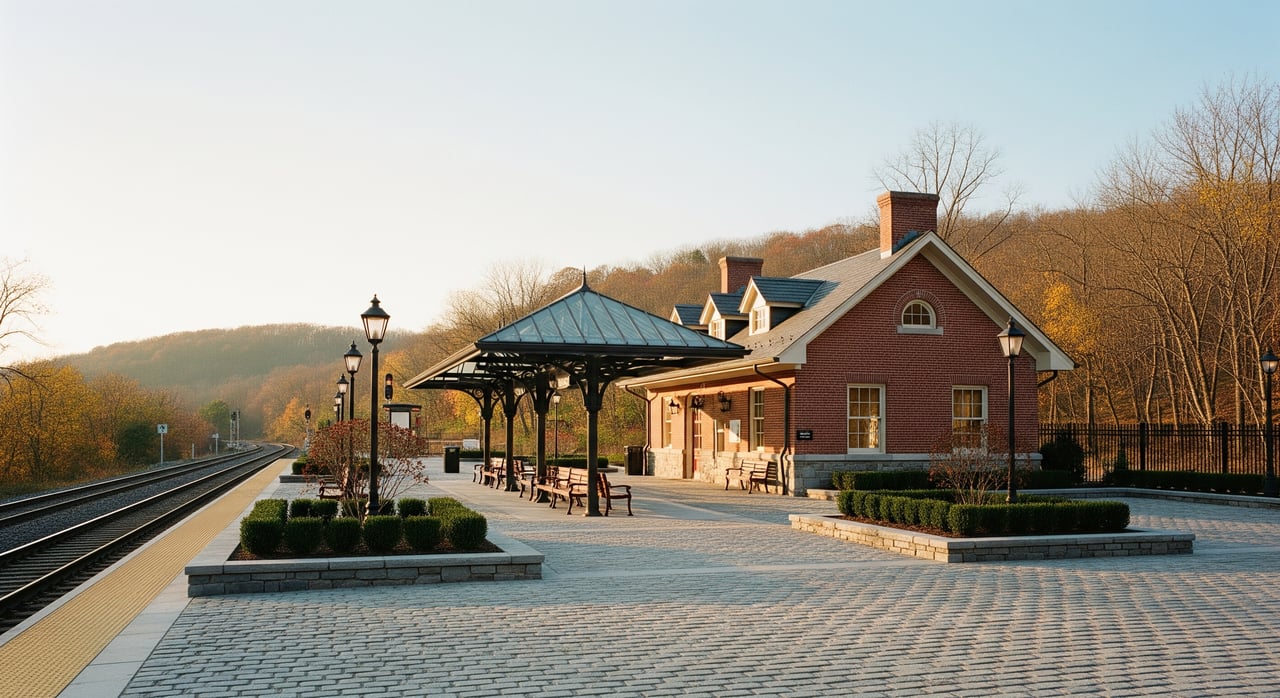
If you want a direct train to Grand Central, Westchester stands out. Multiple Metro-North lines serve many towns with frequent peak and off-peak service. County and local buses often connect neighborhoods to stations, creating a smooth park-and-ride or walk-to-train routine for many commuters.
Bottom line: Many Westchester towns offer shorter, more predictable rail commutes to Midtown. If your schedule demands reliable train frequency, focus on communities near Metro-North stations.
Rockland commuters tend to rely more on express buses to Manhattan, driving to nearby rail stations outside the county, or driving the full route. You will see more park-and-ride lots and express bus options into Port Authority or along the George Washington Bridge corridor. Some towns closer to river crossings or near New Jersey rail links offer more flexibility.
What that means for you: Expect a more car-forward lifestyle and plan around bus timetables or transfers if you need Midtown access. Door-to-door time can vary with traffic and time of day.
Both counties offer a wide range of homes, but the mix is different. Think about the kind of home you want and the neighborhoods that match it.
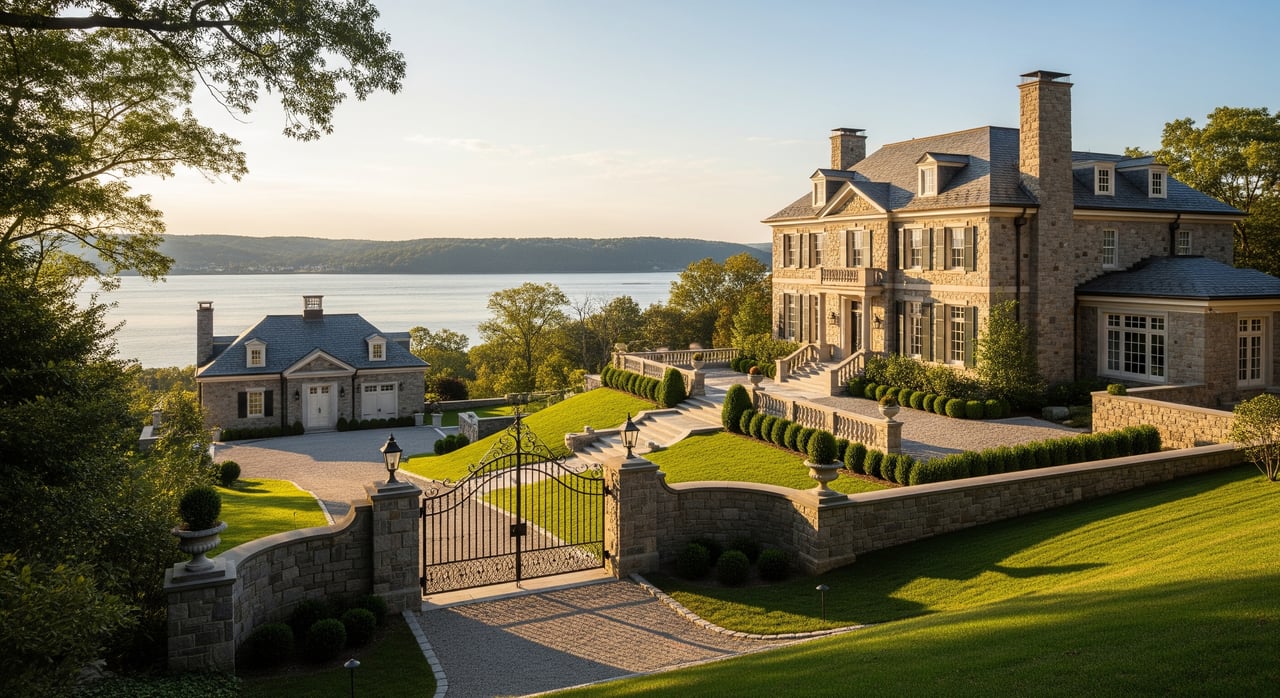
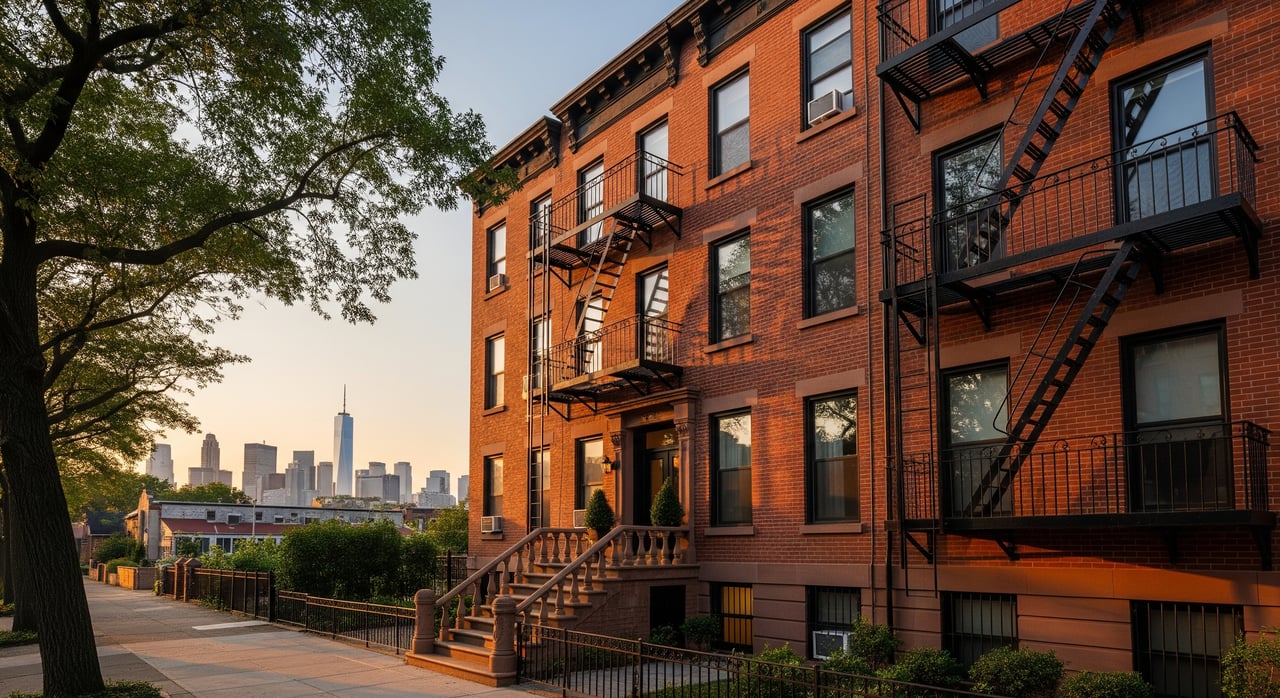
You will find a strong blend of older homes in walkable villages, postwar suburban neighborhoods, and denser downtowns with condos and co-ops. Cities like White Plains, Yonkers, and New Rochelle feature more multifamily options and transit hubs. Close-in river towns often have pre-war homes, sidewalks, and quick access to Metro-North.
Rockland skews more suburban and semi-rural in many areas, with lots of post‑World War II ranches and colonials and larger lots as you head north and west. River villages like Nyack, Haverstraw, and Piermont have older housing stock with a classic village layout. There are fewer large-scale co-op and multifamily markets than in Westchester, though you will still find pockets of density near town centers.
Home values move quickly, so it helps to use a repeatable method rather than a single number. A practical approach is to look at the most recent 12 months of sales and group them into bands:
To do this, pull current county and town medians by property type from trusted market sources and label your data with the time period and source. As a general pattern, Westchester’s county-wide medians tend to run higher than Rockland’s, especially in towns with direct rail service and lively downtowns. Rockland often offers more lower- to mid-priced single-family options, with closer price overlap in its river villages and along commuter corridors.
Both counties have property taxes that are high relative to national averages. Tax bills vary by town and school district, so two similar homes in neighboring communities can carry very different annual costs. When you budget, look beyond your mortgage payment.
Consider these recurring costs:
Ask for sample tax bills for any home you are considering and factor those into your monthly budget. If you compare counties, use typical effective tax rates and real examples from representative towns.
If you love the outdoors, both counties deliver. The difference is in the scale and character of the spaces.
Westchester offers extensive riverfront parks and preserved lands, including Croton Point Park and the Rockefeller State Park Preserve. Many towns maintain robust park systems with trails, playgrounds, and organized sports fields. Denser river villages and cities often have developed waterfront access and community programming.
Rockland shines with large preserved areas and a more semi‑rural feel in many spots. You will find trail networks and lake access in places like Harriman State Park and parts of Bear Mountain. Nyack Beach State Park and the Hook Mountain corridor deliver Hudson River views and biking paths, while Ramapo Valley and Stony Point Battlefield add hiking and history.
Use these quick snapshots to narrow your list based on lifestyle. Always verify specific commute, housing, and school details for any town you shortlist.
You may find a strong preference as soon as you define your non‑negotiables. Use these examples to clarify your best match.
Define your commute. Decide on train, bus, or car and your maximum door‑to‑door time.
Set the budget. Include taxes, insurance, utilities, and commuting costs.
Pick your home style. Pre‑war charm and walkability, or postwar space and larger lots.
Test the vibe. Visit target towns on a weekday morning and a weekend evening.
Check the data. Review current sale prices, local tax bills, and any school report cards that matter to you.
Choosing between two great counties is easier with a local guide who knows both. At Home with Yara Realty is a boutique, founder‑led brokerage serving Westchester, Rockland, the Bronx, and the Hudson Valley commuter corridor. Our team brings decades of local experience, professional marketing, and responsive service to help you compare towns, neighborhoods, and property types with confidence.
If you are weighing Rockland against Westchester, we will help you map commute scenarios, review current market data, and tour homes that match your goals. Ready to start? Book a consultation with At Home with Yara Realty.
Stay up to date on the latest real estate trends.

Real Estate
Real Estate Market

short sale
Short Sales
Grants
Grants for buying a home

Buying a home
Focus on What You Can Afford, Not Just the Price
At Home with Yara Realty is dedicated to helping you find your dream home and assisting with any selling needs you may have. Whether you’re seeking a premier home, investment, or an expert to guide your real estate strategy, Yara and her team are ready to help you navigate the world of real estate.
Get In Touch With Our Team To Learn More
111 Lake Ave Rm 5 Tuckahoe NY 10707